You might instinctively think “no way!” to the idea of bugs in your aquarium. But depending on the type, they could be just what you need.
Copepods are often referred to as “insects of the sea” and that might sound like a bad thing. But the truth is, these amphibious creatures do a lot of good.
If you are wondering what are copepods and why should you add them to your tank, here are five reasons you should have them in your aquarium.
1. What Are Copepods and Why They Are Cost-Efficient
Copepods are tiny flea-like crustaceans that live in both fresh and saltwater. It is actually a generic term applied to over 4,500 distinct species.
Commonly shared features in the species include a segmented cylindrical body, a round head, and antennae. There are varieties of both plank-tonic copepods and benthic copepods.
Copepods often occur naturally in closed aquarium systems after live sand or rock has been added.
Because of their hardiness in their environment, and quick reproduction rates, they are a cost-effective source of food and other benefits to the aquarium ecosystem.
2. Copepods Keep it Clean
These tiny crustaceans are the ultimate algae-eaters and help keep your aquatic environment clean. They eliminate certain kinds of bacteria and also eat decaying food and other organic matter.
Both freshwater copepods and their salt-water counterparts have an appetite for things that will cause a gunky build-up. A healthy amount of copepods will help keep your tank clean and cut down on needed maintenance.
3. An Excellent Food Source
For many saltwater and freshwater fish, copepods are a main food source in the wild. Having copepods in your tank is a natural, cost-saving, and easy way to feed your fish.
Copepods reproduce every seven days, so in a properly cared for aquarium, they are a plentiful source of food. They are high in protein and nutritionally beneficial.
4. Healthy and Happy Reefs
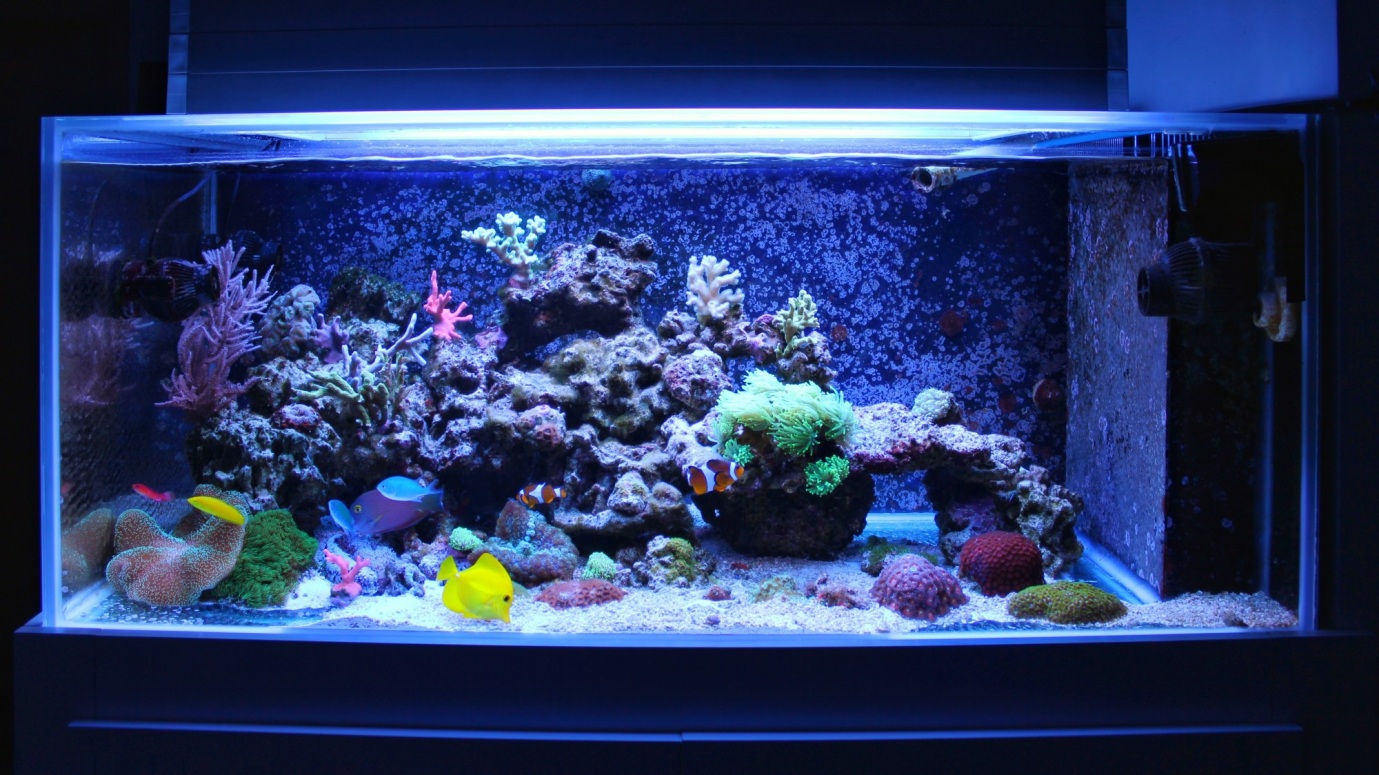
Saltwater reef tanks especially benefit from copepods. Aside from being an excellent food source for fish, copepods in reef tanks provide a natural source of essential fatty acids for corals.
Their scavenging nature is especially important for coral reefs, as they eat the microscopic algae that can damage coral.
5. A Natural Part of a Healthy Marine Ecosystem
Life begins at the microscopic levels, and copepods are the very basic building block of your aquatic food chain. Copepods in tank are a sign of a healthy and vibrant marine ecosystem.
In the wild, they are used as biodiversity indicators. And because copepods occur naturally in so many environments, they are also fairly easy to culture.
To grow your copepods, make sure that the salinity of your water is balanced if you have salt-water copepods, and provide a low-light and warm (72 to 82 degrees Fahrenheit) environment.
A “Good Bug”
So, what are copepods? They can be thought of as the “bugs” in your tank that keep it healthy.
Copepods can increase the health of an aquarium ecosystem, and how easy to care for and cost-effective they are, they should be a part of nearly every tank.
If you liked reading about copepods and their benefits, be sure to check out the other articles on our site. We cover topics ranging from social media and lifestyle to business and technology.
Sources and Editorial Notes
Elivestory aims to use relevant sources, separate confirmed information from speculation and update important details when reliable new information becomes available.

Jaylin Khan
Jaylin Khan is an entertainment writer at elivestory.com who covers celebrity biographies, entertainment news, digital media and the latest pop culture trends. Drawing information from credible and trusted sources, she combines verified facts with thoughtful opinions to create engaging and informative articles for readers.
View All Articles