By Sarah Jay · Updated November 28, 2026 · Compiled from reporting by Newsweek, the Evansville Courier & Press and Beinsure, cross-checked against each other and the FDIC figures they cite. Nothing here is sponsored.
The United Fidelity Bank failure is the largest U.S. bank collapse in more than two years. Federal regulators closed United Fidelity Bank, fsb, of Evansville, Indiana, on Friday evening, Nov. 27, and First Citizens Bank took over most of its deposits and branches. Insured customers keep their money and can keep banking as usual.
The bank had about $5.9 billion in assets and $5.4 billion in deposits as of Sept. 30, according to Newsweek and Beinsure, both citing the FDIC. Here’s what happened, what customers should do this weekend and what still isn’t known.
What happened to United Fidelity Bank
The Office of the Comptroller of the Currency, which regulates federal savings banks, shut United Fidelity on Friday evening. It then appointed the Federal Deposit Insurance Corporation as receiver.
The OCC said the bank was in an “unsafe or unsound condition to transact business” and was “likely to be unable to pay its obligations or meet its depositors’ demands in the normal course of business.” Both the Courier & Press and Newsweek quoted that language.
Within hours, the FDIC announced a buyer. First-Citizens Bank & Trust Company of Raleigh, North Carolina, agreed to assume substantially all of the bank’s deposits and buy substantially all of its assets. It’s the same bank that bought much of Silicon Valley Bank in March 2023.
That’s fast. It’s also the standard playbook.
Key numbers in the deal
The figures below come from the FDIC’s announcement as reported by Newsweek and Beinsure. Both outlets give the same numbers.
- Total assets as of Sept. 30, 2026: about $5.9 billion
- Total deposits as of Sept. 30: about $5.4 billion
- Deposits First Citizens is assuming: about $4.5 billion (brokered deposits are excluded)
- Loans First Citizens is acquiring: about $3.1 billion
- Estimated cost to the FDIC’s Deposit Insurance Fund: $1.83 billion
- Branches: 22, in Indiana, Illinois, Florida, Colorado and the U.S. Virgin Islands
Beinsure reported that First Citizens won the bank in a competitive bidding process, paying no deposit premium and getting a discount of roughly $2.6 billion on the assets. The $1.83 billion cost works out to roughly 31% of the bank’s assets, a high ratio for a failure this size.
The Deposit Insurance Fund is paid for by fees on banks, not by a direct taxpayer appropriation.
Is my money safe if I bank with United Fidelity?
For insured deposits, yes. The FDIC covers up to $250,000 per depositor, per insured bank, for each ownership category, such as individual, joint or retirement accounts. Stocks, bonds, mutual funds and crypto aren’t covered.
Newsweek reported that deposits moving to First Citizens keep their full balances. According to Beinsure, those deposits will be insured separately from any existing First Citizens accounts for at least six months, which matters if you already bank with both.
There’s one exception worth checking. Brokered deposits weren’t part of the transfer, according to Newsweek and Beinsure. If you hold a CD bought through a brokerage firm that was placed at United Fidelity, contact your broker, not the bank.
What customers should do this weekend
Mostly nothing. The OCC said depositors can reach their money “by writing checks or using ATM or debit cards,” according to the Courier & Press, and that “loan customers should continue to make their payments as usual.”
Branches that normally open on Saturdays were scheduled to reopen under the First Citizens name on Nov. 28, with the rest reopening Monday, Nov. 30, during regular hours, according to Beinsure. Newsweek also reported that branches were set to begin reopening Saturday.
A few practical points from the FDIC guidance, as summarized by Beinsure:
- Your checks still work and clear up to your account balance.
- Direct deposits, including payroll and Social Security, should keep arriving as normal.
- Routing and account numbers stay the same until First Citizens tells you otherwise in writing.
- Mortgage and loan payments go to the same place, under the same terms.
- Safe deposit boxes stay accessible during normal hours.
Beinsure lists an FDIC toll-free line, 1-866-431-1725, for questions. The FDIC also keeps a page for the bank on its failed bank list. One warning the FDIC repeats after every closure: it won’t call or email asking for your private account information. Treat any message that does as a scam.
Why did United Fidelity Bank fail?
It isn’t clear yet. Neither the OCC nor the bank has publicly explained what drove the losses, according to Newsweek, the Courier & Press and Beinsure.
Beinsure suggested the size of the asset discount points to concerns about the quality of the loan book. That’s the outlet’s inference, though, and the makeup of any credit losses hasn’t been disclosed. I’d treat early theories with caution until the FDIC’s inspector general or the OCC releases more detail, which typically comes months later in a formal loss review.
The bank itself hasn’t issued a public statement that any of the three outlets found. The Courier & Press noted its social media account was still promoting “Pictures with Santa” events on Friday evening.
The holding company, Fidelity Federal Bancorp, wasn’t closed, according to Beinsure. Shareholders are told to contact it directly rather than the FDIC.
What First Citizens says
First Citizens CEO Frank Holding Jr. called the deal “both financially and strategically compelling,” according to Beinsure, and Newsweek reported he said the bank looked forward to welcoming its new customers.
For First Citizens, this adds a deposit base and branches in five U.S. jurisdictions. It’s the second time in under four years the North Carolina bank has stepped in to buy a failed lender from the FDIC.
How big is this United Fidelity Bank failure?
Newsweek and Beinsure both describe it as the largest U.S. bank failure since Republic First Bank of Philadelphia collapsed in April 2024 with about $6 billion in assets. Newsweek called it “the biggest U.S. bank failure in more than two years.”
Locally, it’s a first in a long while. The Courier & Press reported it’s the first Evansville bank to fail since Integra Bank in 2011.
Context helps here. At $5.9 billion, United Fidelity is far smaller than the 2023 failures of Silicon Valley Bank, Signature Bank and First Republic. Nothing in the reporting so far points to a wider run on regional banks. Markets had a rough November for other reasons, which we covered in our explainer on the S&P 500 correction.
What happens next
First Citizens will eventually move United Fidelity accounts onto its own systems, and Beinsure reported that customers will get written notice before routing or account numbers change. Until then, customers should keep using their existing branches, the OCC said, according to the Courier & Press.
The FDIC will manage the assets First Citizens didn’t buy and handle claims from creditors. Brokered depositors will be dealt with through their brokers.
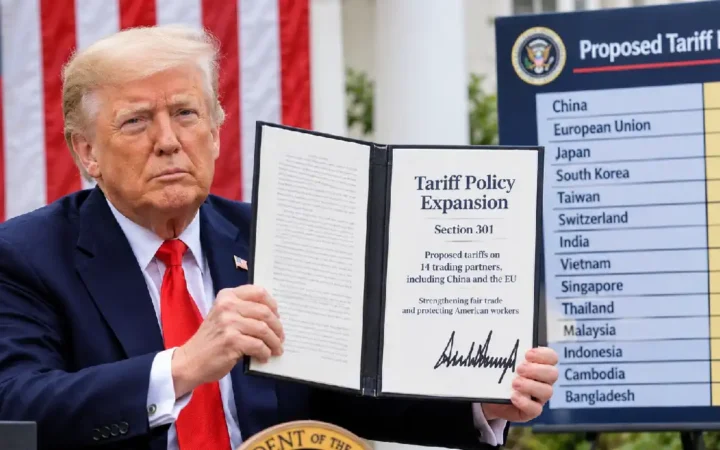
Bigger questions remain open. Regulators haven’t said whether there were warning signs or earlier enforcement actions against the bank. In my view, a failure that costs the insurance fund $1.83 billion will probably draw questions from lawmakers once the new Congress is seated in January. For more on the economic backdrop, see our explainer on Trump’s new tariffs.
FAQ
Why was United Fidelity Bank closed?
The Office of the Comptroller of the Currency closed United Fidelity Bank on Nov. 27, 2026, saying it was in an “unsafe or unsound condition” and likely couldn’t meet depositors’ demands. Regulators haven’t publicly detailed the losses behind the failure. More information typically comes out months later.
Who bought United Fidelity Bank?
First-Citizens Bank & Trust Company of Raleigh, North Carolina, assumed substantially all of United Fidelity’s deposits and bought substantially all of its assets. First Citizens also bought much of Silicon Valley Bank in 2023. United Fidelity branches now operate as First Citizens branches.
Do United Fidelity customers lose their money?
No, not for insured deposits. The FDIC insures up to $250,000 per depositor, per bank, per ownership category, and deposits moved to First Citizens keep their balances. Brokered deposits weren’t transferred, so customers holding them should contact their broker.
Can I still use my United Fidelity debit card and checks?
Yes. The OCC said customers can access their money with checks, ATM cards and debit cards. Routing and account numbers stay the same until First Citizens notifies customers in writing.
How much will the United Fidelity Bank failure cost?
The FDIC estimates the failure will cost its Deposit Insurance Fund about $1.83 billion. That fund is financed by fees paid by banks. The bank had about $5.9 billion in assets at the end of September.
Is this the biggest bank failure since 2024?
Yes, according to Newsweek and Beinsure. It’s the largest U.S. bank failure since Republic First Bank of Philadelphia, which collapsed in April 2024 with about $6 billion in assets. It’s far smaller than the 2023 failures of Silicon Valley Bank and First Republic.
Sources: Newsweek, Evansville Courier & Press, Beinsure, FDIC press release.
Sources and Editorial Notes
Elivestory aims to use relevant sources, separate confirmed information from speculation and update important details when reliable new information becomes available.

Sarah Jay
Sarah Jay is a journalist, fact-checker, and writer who creates well-researched articles using information from credible and trusted sources. She combines verified facts with thoughtful analysis, offering readers clear, balanced, and insightful perspectives on the topics she covers.
View All Articles