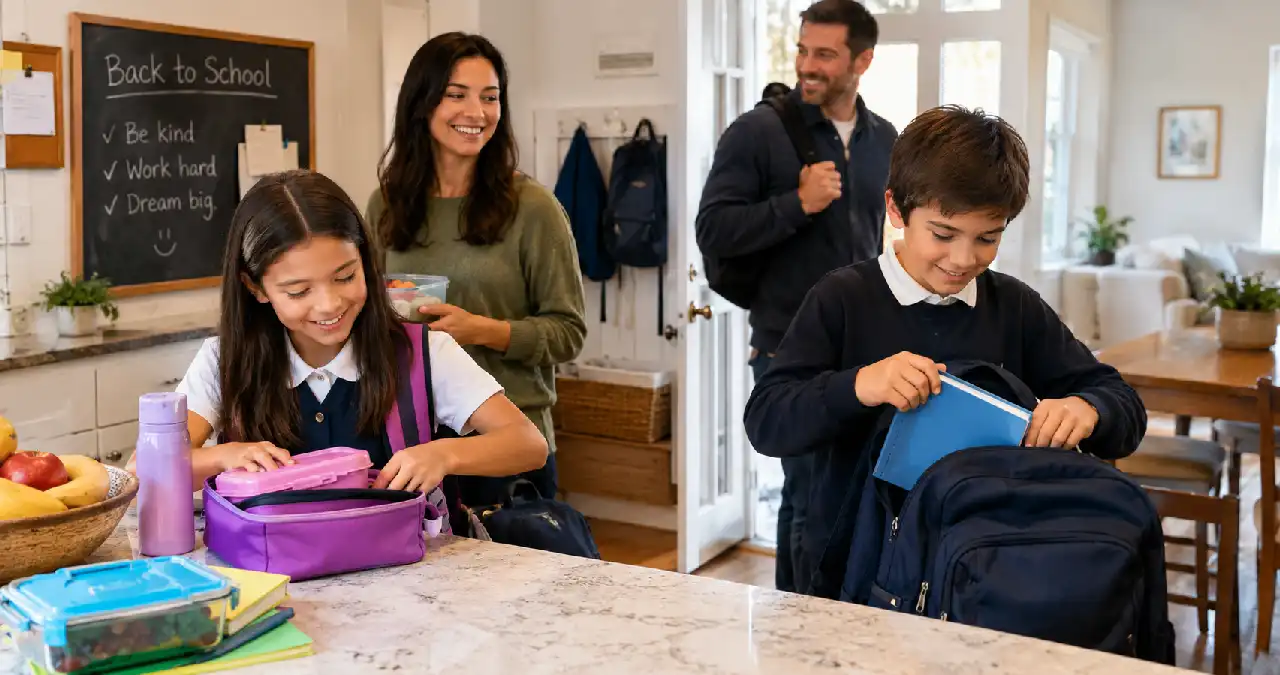
The start of a new school year brings changes to almost every part of family life. Mornings become busier, afternoons fill with homework and activities, and evenings involve preparing for the next day. When school supplies, clothes, and household chores are not organized, even simple routines can become stressful.
Preparing your home before classes begin can make the transition easier for everyone. You do not need to reorganize every room or create a perfect schedule. A few practical changes can help your family stay on top of daily tasks, reduce unnecessary clutter, and make more time for rest during the school week.
Table of Contents
Start With a Simple Home Reset
Before buying new school supplies or rearranging furniture, take a look at the spaces your family uses most often. The kitchen, living room, entryway, and children’s bedrooms are good places to start because they tend to collect everyday clutter.
Clear surfaces, put away items that belong elsewhere, and remove things your family no longer needs. Focus on making each space easier to use rather than trying to complete every cleaning project at once. If the work feels overwhelming, choose one room to tackle each day.
Ask your children to help with tasks that suit their ages. They can sort through old school supplies, organize books, or put away toys. Involving them in the process helps them understand where their belongings should go once school begins.
Create a Dedicated Space for School Essentials
School mornings can become frustrating when everyone is searching for missing shoes, school bags, or notebooks. Creating a designated space for these items can help your family leave the house with less rushing.
Choose an area near the entrance where children can keep their bags, shoes, jackets, and other daily essentials. Hooks, baskets, and shelves can provide useful storage without requiring major changes to your home.
Encourage everyone to return their belongings to this space when they arrive home. Before bedtime, ask your children to check that their bags are packed and their shoes are ready. This simple habit can make mornings easier to manage.
Set Up a Comfortable Homework Area
Children need a suitable place to complete schoolwork, but this does not necessarily mean buying a new desk or creating a separate study room. A quiet corner of the living room, a kitchen table, or a small workspace in a bedroom may be enough.
Choose an area with suitable lighting, comfortable seating, and enough room for books and notebooks. Keep pencils, paper, chargers, and other commonly used materials nearby so children can begin their assignments without searching around the house.
Consider how much supervision your child needs. Younger children may work better in a shared family space, while older children may prefer a quieter area. The goal is to create a workspace that fits your child’s needs and your household routine.
Organize the Kitchen for Busy Mornings
The kitchen often becomes the busiest room in the house during the school week. Breakfast, packed lunches, water bottles, and last-minute snacks can all compete for space when everyone is trying to leave on time.
Organize frequently used breakfast and lunch items so they are easy to find. Keep lunch containers, water bottles, and suitable snacks in accessible locations. Check that food storage containers have matching lids and set aside anything that is damaged or no longer useful.
You can also prepare some items the evening before. Washing fruit, setting out lunch containers, and deciding what to serve for breakfast can reduce the number of decisions you need to make in the morning.
Decide Whether Your Home Needs a Deeper Cleaning
Preparing for the school year often means catching up on cleaning tasks that were postponed during the holidays. While your family may be able to handle daily tidying, deeper cleaning can take time away from shopping for supplies, organizing schedules, and helping children settle into their new routines.
If you are considering professional cleaning, it helps to research the service before booking. The Homeaglow cleaner’s Facebook Group is a community for cleaners associated with the platform and may offer insight into discussions among cleaning professionals. However, it should not replace checking an individual cleaner’s profile, customer feedback, availability, and booking terms. Before arranging an appointment, decide which rooms need attention and confirm that the cleaner offers the tasks your family wants completed.
Professional cleaning is optional and should fit your household budget. Whether you hire someone or divide the work among family members, the goal is to start the school year with a home that feels comfortable and manageable.
Make Laundry Easier to Manage
School uniforms, sports clothes, towels, and everyday clothing can make laundry feel like a constant task. Without a clear routine, essential items may still be in the laundry basket when your children need them.
Decide which days work best for washing clothes and assign suitable responsibilities to family members. Children can help by placing dirty clothes in the hamper, sorting their belongings, or putting clean items into drawers.
If your children wear school uniforms, check that the clothes they need are clean and ready before the next school day. Keeping the process predictable can help prevent rushed laundry sessions late in the evening.
Create a Family Schedule Everyone Can Follow
A new school year often brings changes to pickup times, extracurricular activities, appointments, and work arrangements. Keeping all these details in one person’s head can create unnecessary pressure.
Use a shared calendar, noticeboard, or another system that works for your household. Include important school dates, activity schedules, and family commitments. Older children can help update the calendar and learn to check it when making plans.
Review the schedule together at the beginning of each week. This gives everyone an opportunity to identify busy days, arrange transportation, and discuss responsibilities before conflicts arise.
Prepare Bedrooms for Easier Evenings
A comfortable bedroom can help children settle into their evening routine after a busy school day. Start by clearing unnecessary clutter and making sure clothes, books, and personal belongings have practical storage spaces.
Organize school clothes so children can find what they need without searching through drawers each morning. Encourage them to choose their clothes and prepare their school bags the evening before.
Keep the bedroom routine simple enough to maintain throughout the school year. A short tidy before bedtime may be more realistic than expecting children to complete an extensive cleaning routine every evening.
Share Household Responsibilities
Preparing for the school year should not become another project managed entirely by one parent. Everyone in the household can contribute according to their abilities and available time.
Discuss which tasks need to happen each day and assign clear responsibilities. One parent might manage school lunches while another handles transportation or evening cleanup. Children can put away their shoes, prepare their bags, and help keep shared spaces tidy.
Make sure each person understands what their assigned task involves. Sharing both the planning and the physical work can help reduce the pressure on whoever usually organizes the household.
Leave Room for Rest and Adjustment
Even with careful preparation, the beginning of a new school year may feel tiring. Children may need time to adjust to earlier mornings, new teachers, unfamiliar classmates, and changes in their daily activities.
Avoid filling every afternoon with additional commitments if your family needs time to settle into the routine. Leave space for meals, conversation, quiet activities, and rest.
Pay attention to what is working and what is creating stress. If mornings remain difficult, you may need to prepare more items the night before. If homework regularly takes over the evening, consider whether the workspace or daily schedule needs to change.
Keep Your Home Routine Flexible
A home organization system is useful only if your family can maintain it. As school activities and work schedules change, some routines may need to be adjusted.
Check in with your family after classes begin. Ask which areas of the home are working well and where belongings or unfinished tasks are starting to accumulate. Small changes can often solve problems before they become larger sources of frustration.
Preparing your home for a busy school year is not about making every room spotless or planning every moment of the day. It is about creating practical spaces and routines that support your family’s needs.
By organizing school essentials, sharing household responsibilities, and keeping your schedule realistic, you can make busy mornings and evenings easier to manage. A home that works for your family gives everyone more room to focus on learning, connecting, and enjoying the school year together.
Sources and Editorial Notes
Elivestory aims to use relevant sources, separate confirmed information from speculation and update important details when reliable new information becomes available.

Editor
Fastlinky is the #1 agency for creative high quality link building services and we are experts in SEO and outreach services that will boost your website's performance.
View All Articles