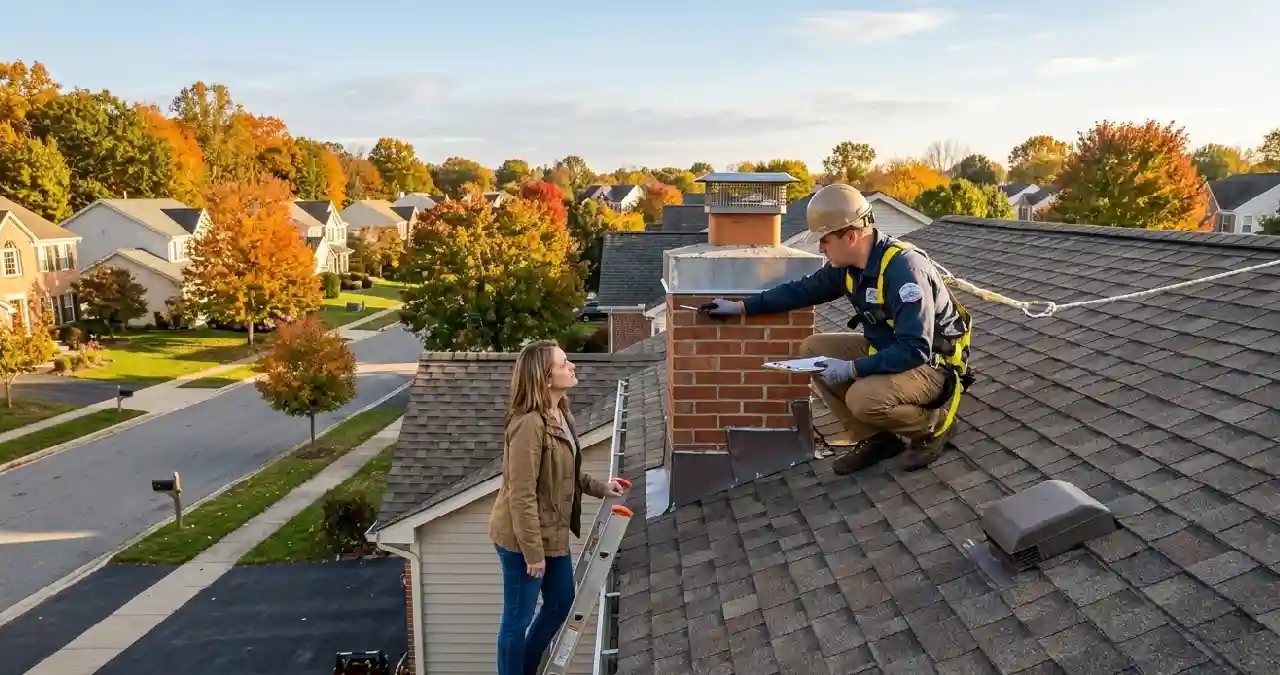
Homeowners used to think about their roof about as often as they thought about the wiring behind their walls, which is to say almost never, until something went visibly wrong. That habit has started shifting, especially in regions where storm seasons have grown noticeably more intense over the past several years. More people are booking a professional look at their roof in the quiet weeks before storms typically arrive, rather than waiting for a leak to show up on the ceiling and force the issue.
Part of this shift comes from watching neighbors deal with damage that could have been caught earlier. A missing shingle or a small crack in flashing rarely causes an emergency on its own, but leave it through one heavy storm and it can turn into water pooling in an attic or staining a bedroom ceiling within a single afternoon. Word travels fast in a neighborhood once one house deals with that kind of surprise, and it tends to push everyone nearby to take a closer look at their own roof sooner rather than later, sometimes prompting entire streets to book inspections within the same month.
Table of Contents
What Actually Happens During a Roof Repair
Once a problem actually gets found during one of these inspections, the next part usually involves figuring out exactly what a roof repair will involve, and that answer varies more than most homeowners expect going in. A single cracked shingle might take a contractor less than an hour to replace, while a section of rotted decking underneath the shingles can turn into a much bigger job involving removing several layers of material before any new roofing goes down. What looks like a small stain on a ceiling doesn’t always match the size of the actual repair needed above it.
According to Rainstone Roofing, most roof repair work falls into a few common categories that contractors see repeatedly, things like replacing damaged shingles, resealing flashing around chimneys and vents, and patching areas where debris has worn through a protective layer over time. A good contractor typically walks a homeowner through exactly which category their issue falls into before starting any work, since a quick patch job addresses the surface problem but won’t help much if the underlying decking has already started to weaken. Skipping that diagnostic check is one of the more common reasons a repair doesn’t hold up as long as a homeowner expects, and it often causes the same section of roof to fail again within a year or two.
Certain Roofing Materials Age at Different Speeds
Not every roofing material ages the same way, which explains why two houses built in the same year can end up needing very different levels of attention. Asphalt shingles, the most common material on residential homes, tend to show wear gradually through curling edges and granule loss that becomes visible from the ground with a decent pair of binoculars. Metal roofing holds up longer against most weather but can develop rust at seams and fastener points that aren’t always obvious until they’ve been leaking for a while.
Clay tile and slate roofs age differently still, often lasting decades longer than asphalt but becoming more fragile and prone to cracking under impact as they get older. A tree branch that would barely scratch an asphalt shingle roof can crack a brittle old tile clean through, and replacing a single broken tile sometimes means special ordering a matching piece if the original style has been discontinued. Homeowners with older tile or slate roofs often benefit from working with a contractor who specializes in that specific material rather than a general roofer who mostly handles asphalt, since mismatched repairs tend to stand out visually for years afterward.
The Best Time of Year to Get on the Roof Isn’t Obvious
Timing a roof inspection or repair involves more than just picking a random weekend with decent weather. Late spring and early fall tend to be the busiest booking windows for most roofing contractors, since homeowners want issues fixed before summer storms or winter snow loads arrive, which means scheduling further ahead usually gets better availability and pricing. Waiting until the week before a major storm is forecast often means competing with a flood of other homeowners doing the same thing at the last minute.
Winter presents its own set of complications that catch a lot of people off guard. Extreme cold can make certain roofing materials more brittle and harder to work with safely, and some sealants simply won’t cure properly below a certain temperature, which limits what a contractor can realistically fix during the coldest months. A homeowner dealing with a winter leak often gets a temporary patch meant to hold until warmer weather allows for a permanent fix, which can feel frustrating but usually beats forcing a repair that won’t actually last.
Finding a Trustworthy Contractor Takes More Than One Call
Finding a contractor worth trusting with any of this work takes more effort than picking whoever answers the phone first or offers the lowest quote. Checking for proper licensing and coverage matters, but so does asking how long a company has been working in the local area, since roofing needs vary significantly based on regional weather patterns and building codes. A contractor experienced with a specific climate tends to spot issues that someone from a different region might overlook entirely, and local references often reveal more about reliability than any online review ever could.
Getting multiple quotes for anything beyond a minor patch job remains one of the more reliable ways to avoid overpaying or ending up with rushed work. A noticeably low bid compared to two or three others sometimes signals corners being cut on materials or labor, while an extremely high one doesn’t automatically guarantee better quality either. Homeowners who take time comparing detailed written estimates, rather than verbal quotes given over the phone, tend to end up with clearer expectations about what the final job will actually include, right down to which specific materials the crew plans to use.
A Small Inspection Now Beats a Bigger Problem Later
A roof rarely announces trouble clearly until damage has already spread further than most people realize. Catching problems during a routine inspection, before storm season puts real stress on a weak spot, tends to cost far less than dealing with an emergency leak during a downpour. The homeowners who have adopted this habit generally aren’t doing anything complicated, they’ve simply learned that a small problem addressed early beats a large one discovered during the worst possible weather, and that lesson tends to stick after the first time it saves them real money.
Sources and Editorial Notes
Elivestory aims to use relevant sources, separate confirmed information from speculation and update important details when reliable new information becomes available.

Editor
Fastlinky is the #1 agency for creative high quality link building services and we are experts in SEO and outreach services that will boost your website's performance.
View All Articles