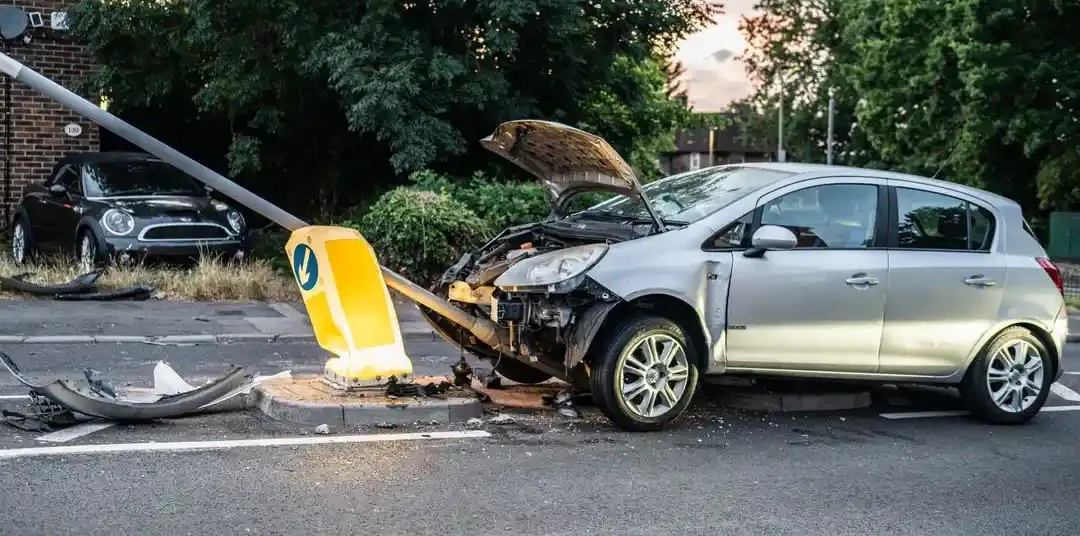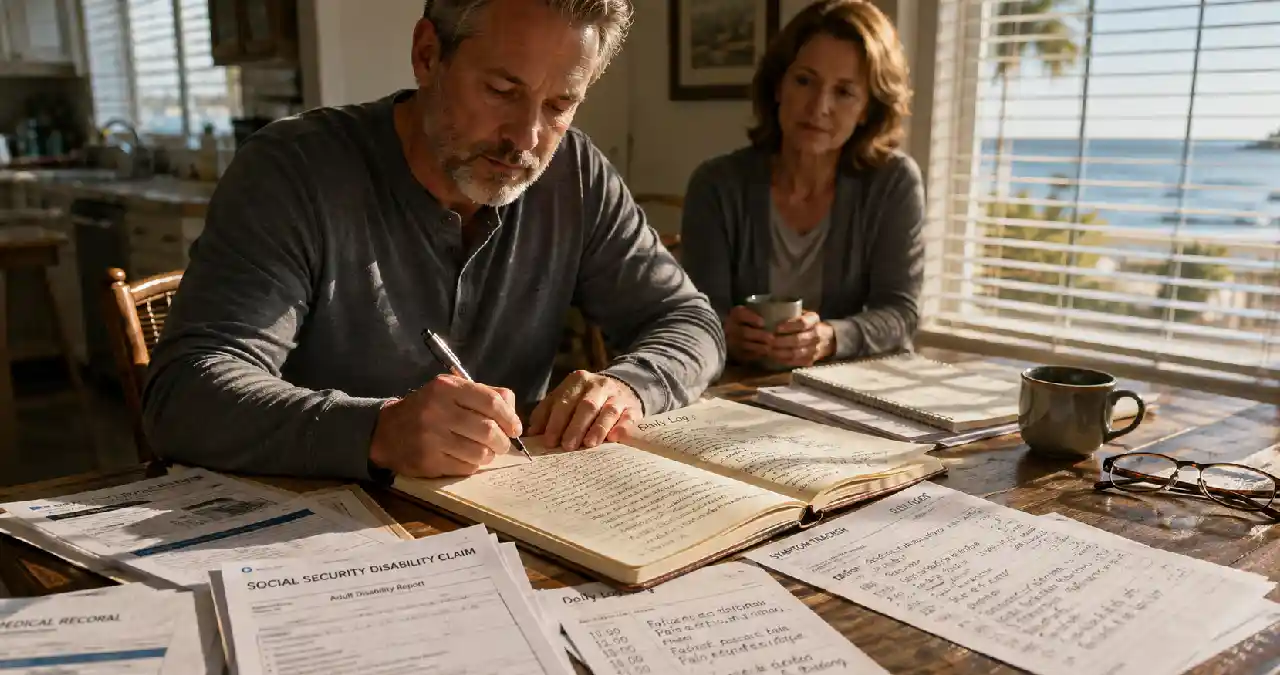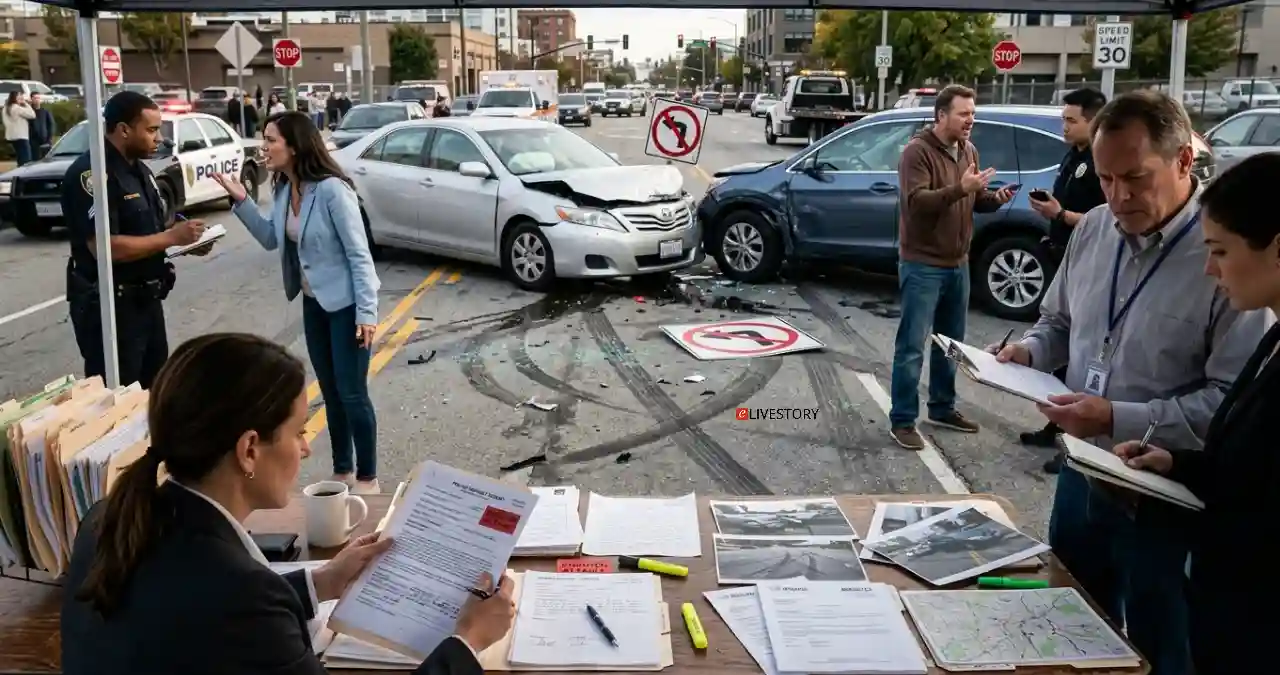
At first glance, accidents give a clear & sheer picture of the actual happening. It is an instance when the damage has garnered visibility, and also the basic timeline of the accident seems easier to explain. The ordeal began when the disagreement among people started to rise regarding who created the danger, or whether the claim ultimately originated from the event or not. It’s all about the genesis of a serious dispute from just a short informational exchange. The trivial issue immediately ignites chaos involving written statements, incident reports, photographs, and competing versions of the situation being identified. When the questions stem from added responsibility, it is not limited to a mere claim but makes it a fact-based rationality that is held up under review.
The disagreement is not limited only to paperwork, but also the outreach is posing an adverse impact on family schedules, missed work, future planning and transportation. It is somehow a situation when one party is exactly aware of the incident and its actual rationale, while another party tries to put the blame on someone else. It meanwhile demands the need for documentation, structure and a timeline to give a subtle explanation of the events and losses intertwined with it.
Table of Contents
How Lawyers Evaluate Disputed Responsibility
In any legal matter surrounding an accident, it is a prudent decision to bring forth a separation of confirmed facts vs disputed matters. This is not exactly a matter to judge whether someone was jeopardised or facing anything that hurt them. Rather, it’s all about reaching conclusions based on evidence, exemplifying whether any property owner, business owner, or driver is facing any futility or not.
Langley Still & Foss Lawyers revealed that the review may come up with incident reports, repair records, witness accounts, medical documentation and any other proof that gives clarification for what exactly happened with the case of personal injury. When the matter revolves around responsibility, the legal action is not limited to the claim itself, but also to the interconnectedness of the situation that influences the loss and harm they cause.
A lawyer is a legal professional who tries to navigate the actual cause, whether it is limited to only one party or something beyond. It is often seen that some disputes are not only limited to two people, but something that goes beyond the actual thinking. There may be many situations that jeopardise the trouble necessitating the need for careful review instead of any fleeting assumption taken quickly.
The reason may be multifactorial; it may be a careless driver who works without responsibility, or it may be any property owner who doesn’t find a way to fix the inevitable danger. There may be an issue with the insurance company that challenges the claim to limit the payment thereafter. This is why maintenance records, witness statements and safety rules require careful handling to not expose any loopholes for the opposing side that can weaken the claim.
Why Insurance Companies Question Fault
Any accidental claim needs a subtle review with close attention led by Insurance companies. This is because any payment decision must be interwoven with documented losses, responsibilities, and coverage facts. If any uncertainty arises, it is the right of the insurer to raise a question regarding whether the policyholder is responsible for the event or verify the reported losses of the claimant to check whether they are truly valid or not. Based on repair estimates, recorded statements, prior history and timeline, the question can transform into a structured argument.
There is no reason left for people to assume that the insurance company will accept their version just because it seems obvious. While the statements are becoming inconsistent and incomplete, it may create disputes. There is a possibility that the description of the event stated by the person differs from time to time.
This does not necessarily make the person disconsolate or carry the proof of being dishonest, but there is some stress and pain interwoven with the person that makes it arduous to remember every minute detail over time. This is where insurers go through every detail minutely. Any inconsistency may arise questions over inconsistency and lessen the strength of the claims.
The Role of Evidence in Showing What Happened
When responsibility is disputed, the ordeal demands supportive evidence to shape the outcome of the claim. Photos are an important factor in providing the scrutiny of the claim based on broken surfaces, road conditions, vehicle damage, and object positioning during the incident. The witnesses can become a beacon for confronting the details that would otherwise be difficult for the person to prove on his own. Employment records. Medical and repair information is instrumental in shedding light on how it impacts daily life. A lack of reliable evidence makes the process heavily reliant upon the competing accounts.
No one ignores the undeniable role of timing in this regard. With respect to time, much evidence may disappear. There is a possibility of deletion of surveillance footage, the wiping away of the warning signs that may make it intimidating to contact the witness. Meanwhile, there is no need to remember every legal issue. Rather than preserving records by keeping messages and jotting down every detail helps to protect the claimant’s demand from unnecessary doubt.
Why Shared Fault Makes Claims Harder
Sometimes, both sides make an argument that mentions the other person’s weakness for failing to pay attention, ignoring a warning, moving too quickly, or failing to take reasonable care. This is why shared fault may become an integral part of the claim.
| Context | Key Points |
| What is Shared Fault | Both parties contribute to the accident (e.g., inattention, poor reactions, ignored warnings). |
| Impact on Claims | Reduces compensation amount; depends on local rules; makes claims more complex. |
| Why It Feels Unfair | Focuses on small, stressful decisions rather than main blame. |
| Common Arguments | Defense blames the victim for not avoiding it; Claimant blames dangerous conditions. |
| Best Approach | Strong evidence: clear timeline, consistent records, facts over emotion. |
| Risk | Weak evidence leads to blame-shifting and harder resolution. |
The weak or scattered evidence makes the claim intimidating and harder to resolve.
A Careful Claim Protects the Bigger Picture
The disputed responsibility brings forth ripping benefits on the way claims are treated since their inception. It ensures proper record keeping, documenting losses and avoiding any statement that may be made in a rush without paying attention to deadlines. Meanwhile, it necessitated the demand for a careful approach that won’t let the fact be misinterpreted or misunderstood.
The complication for accident claims becomes more complex when the focus is on disputed responsibility, shifting from what actually happened to what needs to be proven. This shift shows its impact on communication, negotiation and communication made by the claimant. Just a general account of the event is not sufficient enough to address the disruption; they require a record that must be supported, accurate, and organised.
Sources and Editorial Notes
Elivestory aims to use relevant sources, separate confirmed information from speculation and update important details when reliable new information becomes available.

Editor
Fastlinky is the #1 agency for creative high quality link building services and we are experts in SEO and outreach services that will boost your website's performance.
View All Articles