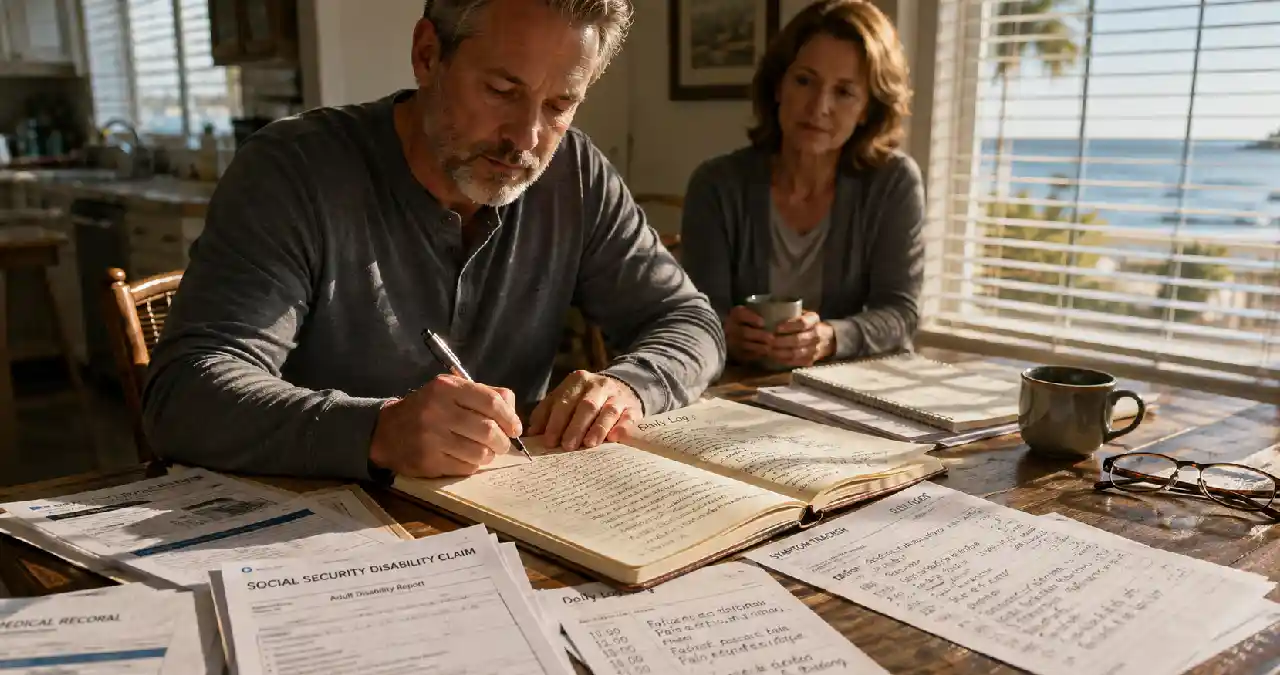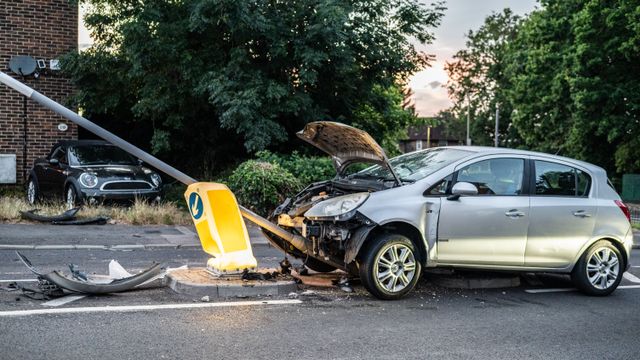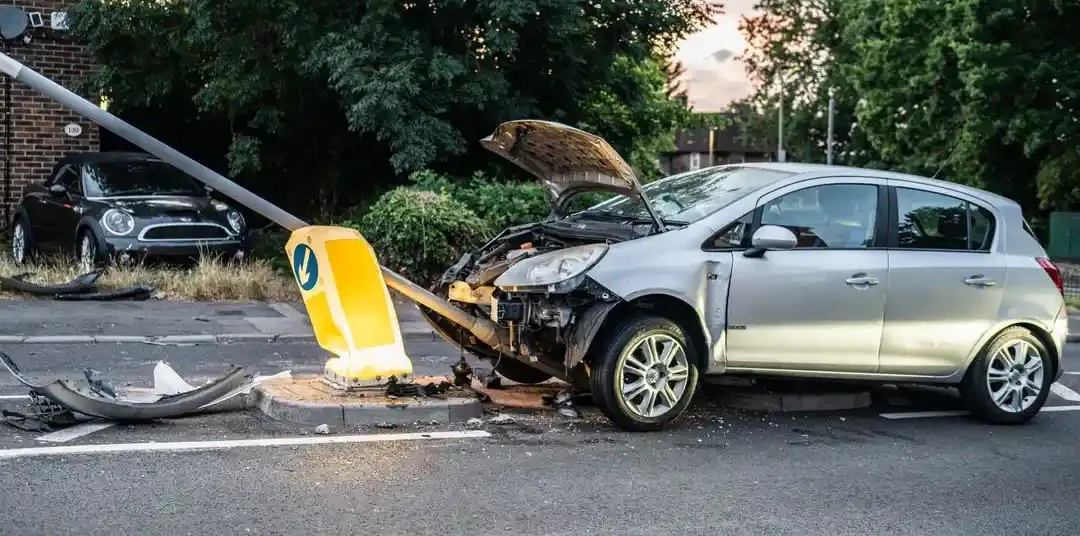
You have just crashed your car into another vehicle and are scared. You aren’t sure what to do, and you are a little confused and bewildered. The situation may be frightening, and you might make some wrong decisions if you are not careful.
What is your responsibility in a situation like this? Are there actions you should and should not take? We want to walk you through the process of what to do when you hit another vehicle with your own. The situation can be alarming, but it doesn’t have to end badly. Keep reading to find out your responsibility when an accident like this occurs.
Safety First
The very first thing you need to see to is your own safety and that of anyone else in your vehicle. Are any of you in danger? Is the car leaking gasoline and at risk of catching fire? If anyone in your vehicle (including yourself) is injured, then you need to see to your injuries immediately. Call for help and don’t delay by trying to sort out insurance information and other less important matters.
Next, you should check on the people in the other vehicle and any bystanders who may have been injured. If you and your passengers are all relatively fine, with no injuries or only minor injuries that can safely be ignored for now, then you should check on the other vehicle’s occupants. Are they injured and is the injury serious? Then you should call for help, especially if those people may not be able to call for help because of their injuries.
If there is immediate danger in the area (such as leaking gas, a fire, or other hazards), then you and everyone else needs to vacate the premises. Get far enough away from the accident so that you are no longer in danger. From there, you can call for help and contact your insurance company.
Get Police on the Scene
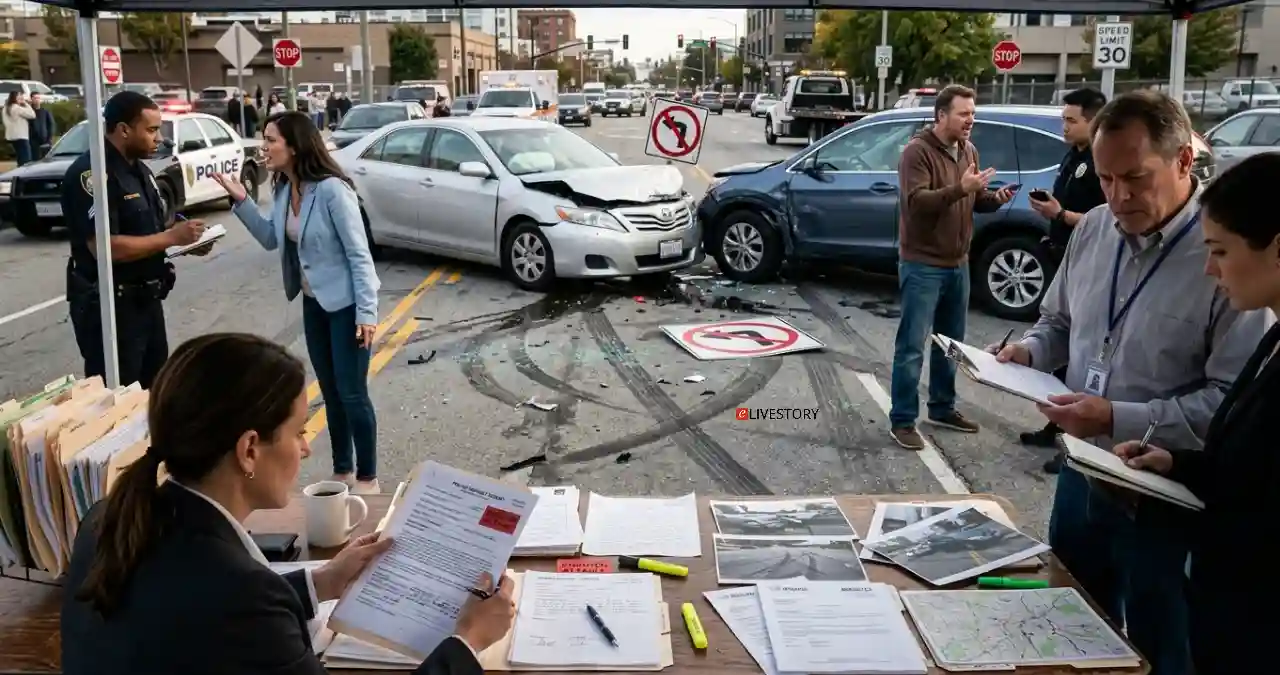
Your next priority once everyone is safe is to contact the police. They need to assess the situation at the scene, if possible. It is ideal for them to come to the site of the accident and determine who is at fault. The police will write out a report and make a determination of fault, as best as possible.
Make sure you keep that report and make copies of it for your files. You will need it later. The insurance company will ask you for it, and the other party in the accident will too, as will your attorney. The police report is considered an unbiased document of the event, so courts will want to see that report in order to make a determination of damages, if you or the other party sue one another.
Protect Yourself Financially
A vehicular accident can be very expensive, accruing costs for medical bills, car repair, and other incidentals. You may be required to pay for some of your own repairs as well as those of the other vehicle’s if you are at fault. Your insurance may cover some or all of the damages, in some cases.
Determining who pays will be up to the insurance company and the courts, ultimately, but you can get some help in making sure that all the facts are researched and presented truthfully. If you don’t know what the law does to protect you and you are not aware of your rights as an insured individual, then you should contact a personal injury or accident lawyer in Calgary (or whichever area you are in).
A lawyer can help you collect important information and ensure that nothing pertinent is left out of the case. This gives you factual details to present to your insurance company as well as to the courts, if the case goes to court. An attorney will help you defend yourself against litigation and ensure that you get the best possible settlement and payout from the insurance company.
Unfortunately, many insurance companies will take advantage of their customers, expecting that they know very little about their rights and coverage. If they do that to you, then you could end up with nothing when you should receive a payout to cover the damages. Of course, whether you are covered and how much of a payout (if any) you receive will depend on who was at fault.
Determining Fault
The police will do their part to determine fault, but that is not the end of the discussion. Your attorney could find new details that show a different story than what the police wrote down.
The insurance company will also investigate. They may send out an assessor to look at your car and the vehicle of the other party. They will make their own determination, and it may not line up exactly with that of the police.
You also have to keep in mind that your insurance coverage may not be what you thought it was. If you don’t know your policy well, then you might be surprised at what conclusions the insurance company comes to and what they decide as far as fault and payouts.
If you are at fault, your insurance company could still cover you, in some instances. The coverage could be full or partial depending on who was at fault and what your insurance plan covers. You might not feel like you are at fault, but the insurance company and police could determine otherwise. If one party was drunk, then the determination of fault could be different than if they were sober at the time of the accident.
There are a lot of factors that go into determining fault, and the process can take time on the side of the insurance company and your attorney, so be patient. Just keep copies of all paperwork and stay in touch with the insurance company and your attorney, if you have secured one. As long as you do your due diligence, you will minimize your expenses and culpability by the end of the case.
Sources and Editorial Notes
Elivestory aims to use relevant sources, separate confirmed information from speculation and update important details when reliable new information becomes available.

Editor
Fastlinky is the #1 agency for creative high quality link building services and we are experts in SEO and outreach services that will boost your website's performance.
View All Articles