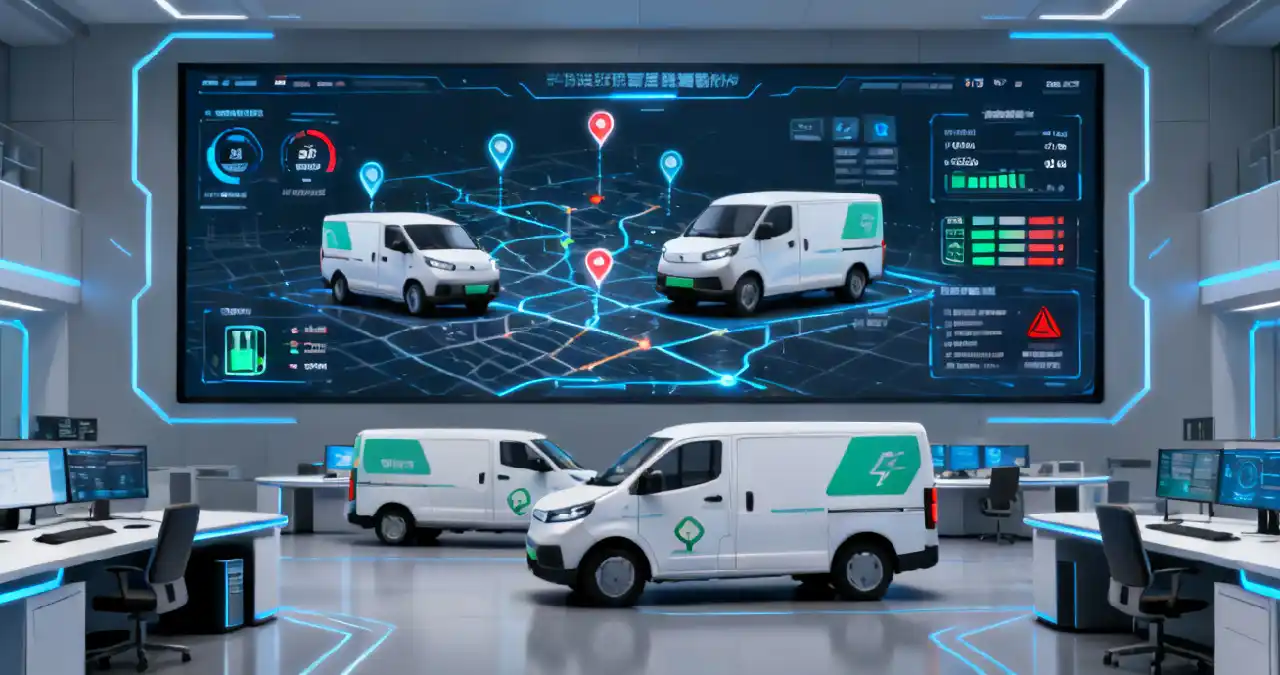
In a context where many jobs have been almost entirely digitised, physical fleets of vehicles remain functionally irreplaceable. Physical goods and people still need to be moved around, and it’s fleets that take care of these movements.
What has changed over the past few years is how these fleets operate and are managed. Below, we explore some of the main management system changes to be aware of in 2026, from process updation to strengthening cybersecurity to accommodate EVs.
Table of Contents
Transition to EVs
One important change that’s been occurring over the past few years is a transition to EVs. While this doesn’t apply to all fleets, with last-mile delivery, for example, an increasingly large number of organisations are now using electric vans to cut costs and reduce emissions.
This transition requires a range of other changes in addition to switching out the vehicles. You also need to understand how these vehicles need to be maintained, and potentially install your own charging infrastructure.
Predictive maintenance based on AI
You might be sick of hearing about artificial intelligence by now, but there are some contexts where it is genuinely a game-changer.
These contexts typically involve those where trends need to be picked out of large, confusing datasets, which is exactly what’s needed for predictive maintenance.
These systems can be used to reduce vehicle downtime, and cut many of the costs associated with more serious repairs.
Smarter takes to invigorate older system
There are also a whole host of technologically innovative upgrades that have improved older systems.
To pick an important example in the context of fleet management, smart key lockers from providers like KEYper Systems have made it possible to facilitate remote management of individual key access control.
What’s more, they also automatically log each key removal or return to digital logbooks, making both compliance and incident response processes significantly easier to manage.
Integrated management platforms
Nowadays, everything involved in the management of your fleet, from fuel card data to asset tracking, can be integrated into a single, centralised management platform.
These platforms allow managers to view all the data they need access to in a single, easily accessible location, providing real-time insights that don’t first depend on opening 10 tabs and logging into 6 different access portals.
Cybersecurity
Lastly, it’s not just EVs that are now integrated and managed by digital systems – it applies to all modern vehicles. As a result, all of these vehicles also suffer from a range of critical vulnerabilities.
Not only are the vehicles themselves at risk of hacking, but also all of the data related to your fleet’s operations. It’s important to take cybersecurity seriously in this context, to limit potentially serious issues.
Fleet management is advancing rapidly, and it’s important to keep up. How your approach changes will depend on the kind of fleet you manage, of course, but the general trends outlined above should apply to most contexts, regardless of the details of your specific operations.
Sources and Editorial Notes
Elivestory aims to use relevant sources, separate confirmed information from speculation and update important details when reliable new information becomes available.

Editor
Fastlinky is the #1 agency for creative high quality link building services and we are experts in SEO and outreach services that will boost your website's performance.
View All Articles