Technology is such a well-established scientific knowledge that grows day by day, and in the future, it is expected to go far beyond what we imagined. Because of this, businesses must stay updated with new trends and new software designs. One crucial new trend in software architecture is SOA OS23. It is becoming popular because industries are changing quickly, and companies need systems that can adapt just as fast.
Imagine a world where software systems talk to each other easily, work smoothly, and reduce complexity. That is exactly what SOA OS23 helps businesses do. It gives them a flexible framework that helps them build modern applications faster and better.
This informative story explains the new OS23 software version in simple words—what it is, why it matters, how it works, its benefits, challenges, best practices, and real-world uses. So, without wasting time and effort, let’s step into the article:
What Is SOA OS23 – A Brief Overview
SOA OS23 means “Service-Oriented Architecture Open Standard 23”. It is a modern way to design software using small, independent services.
- Each service does one specific job (like login, payments, or sending data).
- Services can be reused in many applications.
- They communicate through standard APIs, so different systems can work together.
The Main Idea:
Break software into small parts that can work alone and work together. This makes development faster, systems easier to manage, and changes easier to apply.
How SOA OS23 Works (Easy Breakdown)
SOA OS23 follows these principles:
| ✔ Microservices | The system is divided into small services. Each one handles one task and can be built or updated separately. |
| ✔ API Communication | Services talk through APIs. That means different applications, tools, and platforms can connect smoothly. |
| ✔ Efficient Data Flow | Because services are independent, data moves between them quickly without unnecessary steps. |
| ✔ Orchestration Tools | Special tools help manage workflows and make sure services work together correctly. |
| ✔ Real-Time Monitoring | You can track performance instantly and fix issues before they grow. |
| ✔ Built-In Security | Strong security rules protect data and ensure that only the right people or systems can access it. |
Advantages of SOA OS23
SOA OS23 offers several advantages that make it a powerful choice for modern businesses and technology systems. Here those:
✔ One of its biggest strengths is flexibility. Because the new OS23 software version is built on small, independent services, companies can update or replace parts of a system without changing everything. This saves time and reduces the risk of system failures.
✔ Another key benefit is scalability. As a business grows, new services can be added easily. This allows companies to expand their operations smoothly and handle more users or data without major changes.
✔ SOA OS23 also supports easy integration. Different applications, tools, and platforms can connect through APIs, making communication between systems faster and more reliable. This is especially helpful for companies that use many software applications.
✔ In terms of cost, the latest SOA release is cost-efficient. Reusable services reduce development time and lower long-term maintenance costs. Teams can also work on different services at the same time, improving productivity.
✔ Security is another important advantage. SOA OS23 includes strong security rules that protect data and ensure safe access between services.
Overall, the updated OS release helps businesses build stable, modern, and efficient systems that can grow and adapt to future needs.
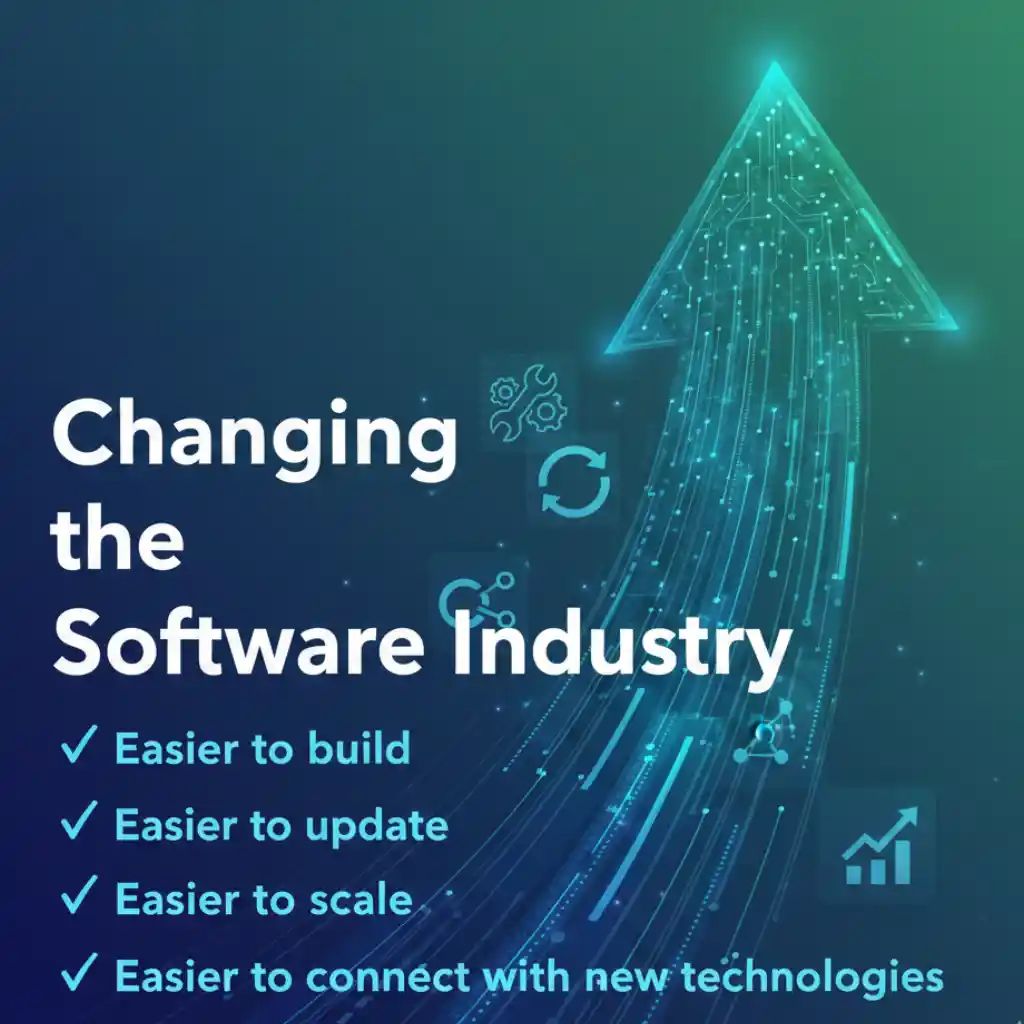
How SOA OS23 Is Changing the Software Industry
SOA OS23 encourages companies to think in smaller parts instead of one big system.
This makes applications:
✔ Easier to build
✔ Easier to update
✔ Easier to scale
✔ Easier to connect with new technologies
It also reduces time-to-market. Businesses can launch new features faster because they update only one service, not the whole system.
Challenges in Adopting SOA OS23
Adopting the latest SOA release can greatly improve a business’s technology system, but it also brings certain challenges that organizations must understand before making the shift. See:
1. High Initial Investment
Adopting the new OS23 software often requires a large upfront cost. Companies need to purchase new tools, upgrade systems, and train their staff. This initial investment can be difficult for small or medium-sized businesses that have limited budgets.
2. Legacy System Integration
Many organizations still rely on old software systems. These legacy systems may not work smoothly with the modern microservices used in SOA OS23. Connecting the two can be complex, time-consuming, and may require major changes or replacements.
3. Lack of Guidelines
The updated OS release is a flexible architecture, but this flexibility can create confusion. Without clear rules, structure, or best practices, teams may struggle to manage their services effectively. This can lead to design mistakes and performance issues.
4. Cultural Resistance
Employees who are used to traditional systems may resist switching to the latest SOA release. Adopting a new architecture requires a change in mindset, new workflows, and continuous learning. Resistance from staff can slow down the implementation process.
5. Security Risks
Because SOA OS23 is made up of many small services, each service becomes a potential entry point for security threats. Companies must invest in strong security measures to protect data and ensure safe communication between services.
Best Practices for Implementing SOA OS23
The right practices that make industries work faster and efficiently. Take a look:

| Clear Vision | Start with well-defined goals and understand why the business needs the new OS23 software. |
| Strong Internal Communication | Teams must communicate regularly and share updates. |
| Employee Training | Train your staff so they understand how to work with the new system. |
| Use Modern Tools | Rely on tools made specifically for OS23 and microservices. |
| Continuous Monitoring | Track performance and make improvements regularly. |
Applications of SOA OS23
SOA OS23 is widely used across many industries because it helps systems communicate smoothly, improves efficiency, and supports modern digital operations. Below are some of the most common applications of the new OS23 software version in different sectors.
1. Enterprise System Integration
Businesses can integrate various software systems with SOA OS23 to facilitate seamless collaboration. It facilitates data sharing across new and existing applications, enhancing workflow. Additionally, this lessens departmental complexities.
2. Public Sector & E-Governance
The new OS23 software version is used by government agencies to develop appropriate digital platforms. It makes it possible for departments to safely share data, provide services more quickly, and improve citizen openness.
3. Health care
The new OS23 software facilitates the exchange of patient data between clinics, labs, and hospitals in the healthcare industry. This results in quicker diagnosis, better physician collaboration, and better patient care.
4. Banking & Finance
The new OS23 software version is used by banks to link services like as fraud detection, customer accounts, loans, and payments. It enhances security, expedites transactions, and increases the dependability of financial services.
5. Telecommunications
SOA OS23 is used by telecom businesses to handle device connections, network monitoring, billing, and customer service. They can swiftly scale and provide millions of consumers with superior services thanks to the design.
Real-World Use Cases
In many real-world scenarios where quick communication and adaptable systems are crucial, SOA OS23 is already in use.
- It facilitates the seamless management of inventory, payments, and client data across various services in e-commerce platforms.
- Hospitals utilise it to safely exchange patient records between departments, cutting down on treatment delays.
- For speedy and secure transactions, banks use the new OS23 software version to link their loan systems, payment gateways, and fraud detection technologies.
- It is used by manufacturing organisations to enable smart factories, which require real-time collaboration between equipment, sensors, and software systems.
- By linking traffic systems, public safety networks, and environmental monitoring tools, SOA OS23 also helps smart cities.
The Future of SOA OS23
As technology develops, SOA OS23 appears to have a bright future. Artificial intelligence will make the new OS23 software even more intelligent and automated, enabling systems to make decisions on their own. Blockchain integration could enhance data sharing, security, and honesty.
SOA OS23 will be crucial in ensuring seamless connectivity across cloud services as more companies switch to cloud-based systems. Companies will find it vastly simpler to create interoperable applications with standardised APIs. All things considered, the new OS23 software version’s flexibility, speed, and robust security will continue to influence modern digital systems in the years to come.
Wrapping Up
SOA OS23 is one of the most important advancements in modern software architecture. It makes systems more flexible, fast, secure, and scalable. It also helps teams work better and reduces long-term costs.
Whether used in software development or in public construction compliance, it represents the future of smart, organized, and efficient systems.
FAQs
Why is SOA OS23 important?
It provides a suitable architectural framework that simplifies integration, enhances interoperability, supports management, and supports cloud-native change across various enterprise environments.
What are the key components of SOA OS23?
Core components include service registry, API gateway, orchestration engine, messaging backbone, observability tools, policy governance, etc.
What industries benefit most from SOA OS23?
finance, healthcare, government, telecom, logistics, and large enterprises benefit from SOA OS23.
Sources and Editorial Notes
Elivestory aims to use relevant sources, separate confirmed information from speculation and update important details when reliable new information becomes available.

safikul
Safikul Islam is an entrepreneur, business mentor, AI & business strategist, and CEO of Leelija Web Solutions Pvt. Ltd. At eLiveStory, he shares practical insights on entrepreneurship, business growth, digital marketing, technology, and AI to help readers learn, adapt, and grow.
View All Articles