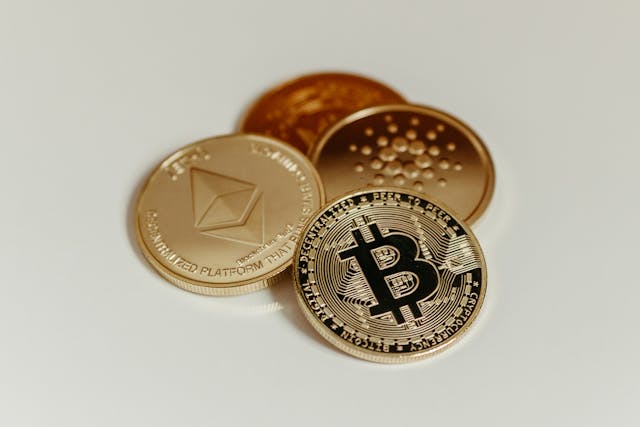
Converting cryptocurrency to fiat currency, like Bitcoin to USD or USDT to INR, can feel confusing, especially if you are a beginner. You may have tons of questions in mind: How do those exchange rates actually get set?
But unlike bank forex rates controlled by big institutions, crypto-to-fiat rates come from a mix of market forces, user choices, and local realities. If this still confuses you, then we are here to help you out so that you can start your crypto journey confidently.
In this guide, you will get a clear breakdown of how fiat exchange rates are formed from crypto. You will learn the key factors, differences between platforms, and tips to get the best deal. So, let’s get ready to understand these rates and avoid any surprises, no matter if you are cashing out for daily expenses or hedging against volatility.
Supply and Demand: The Core Driver
First things first, how the exchange rate works. At the heart, fiat conversion exchange rates follow two basic economic principles: supply and demand. Like-
- More sellers than buyers? Prices drop as people compete to offload crypto.
- High demand from buyers? Rates rise, giving sellers better fiat payouts.
This dynamic plays out everywhere, but the reality is not that simple because the platforms handle it differently.
For instance, global crypto prices set the baseline, yet local tweaks create real variation.
Centralized Exchanges: Market-Driven Rates
Let’s make the exchange more understandable for beginners. On platforms like Coinbase, Binance, or Kraken, rates mirror big crypto markets. How?
How It Works
These sites use global order books, live lists of buy/sell offers from users worldwide. Your rate matches the current “market price” when you trade. But it comes with its own advantages and risks.
- Pros: It is transparent, fast, and consistent. Rates track indexes like CoinMarketCap closely.
- Cons: No haggling at all. You take the spot rate, plus fees (often 0.1-0.5%).
Here is an example for a better understanding of the real world: during the 2025 bull run, centralized BTC-to-USD rates stayed within 0.5% of global averages due to massive liquidity.
Peer-to-Peer Platforms: User-Set Prices
P2P platforms like Binance P2P or Paxful flip the script. Here, users set their own crypto-to-fiat rates.
Key Influences in P2P Deals
- Local demand: In India, high INR demand might boost rates 2-5% above global averages amid rupee volatility.
- Payment options: Bank transfers are slow, and also you may get lower rates. On UPI or Paytm, offer instant payments and command premiums up to 3%.
- Location quirks: Rates in Kolkata might differ from Mumbai due to regional banking speeds or KYC rules.
Note that sellers post ads like “Sell 1 BTC for ₹80 lakhs via IMPS, no extra fees.” But these are mostly traps that you must avoid. Buyers negotiate, making rates flexible but variable.
Common Payment Methods
Your chosen payment shapes the rate big time. Faster, safer options mean higher seller prices.
| Payment Type | Typical Premium/Discount | Why It Matters |
| Instant (UPI, PayPal) | +1-3% premium | Quick and low-risk for sellers |
| Bank Transfer | Baseline (0%) | Reliable but 1-3 day delays |
| Cash in Person | -2-5% discount | High risk, no reversals |
| Cards/Gift Cards | Varies widely | Fraud risk leads to strict premiums |
Any Hidden Liquidity and Risk?
- Liquidity: Busy markets like USD pairs have tight spreads of buy/sell gaps. Thin ones, like some African fiat pairs, add 5-10% premiums due to a few traders.
- Risk: Sellers charge more for volatile fiat like Turkish Lira or strict regs like India’s 2024 crypto tax rules.
Which Is the Best Time to Ride the Waves?
Rates swing with news. You can think of Fed rate cuts or Elon Musk tweets. In 2025, a U.S. ETF approval spiked BTC-to-fiat rates.
But you can use tools and wait for dips if you’re patient, or lock in during peaks.
Tips to Get the Best Cryptocurrency to Fiat Rates
Here is how you can optimize your conversions:
- Compare 3+ platforms (centralized vs. P2P).
- Pick low-fee payments with good reviews.
- Check liquidity—avoid tiny markets.
- Time trades around low volatility (e.g., weekends).
- Use aggregators like BestChange for instant rate scans.
Final Thoughts
Cryptocurrency conversion to fiat exchange rates is never fixed. They blend global markets, user power, and real-world factors. You need to master them and to convert smarter in today’s hybrid economy. Start small, track your trades, and scale up confidently.
However, it is essential to follow all the governmental rules and legal regulations of your region for a safer practice.