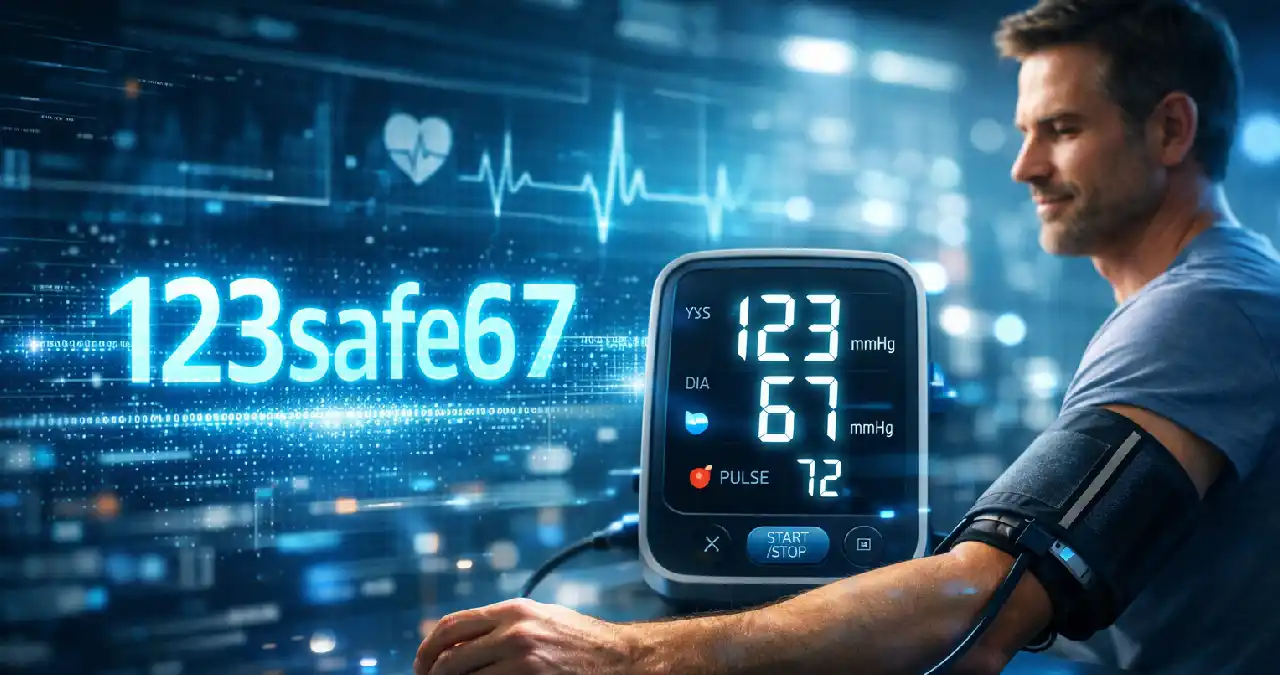
You can find a lot of random alphanumeric codes buzzing all around the internet every day. One such term is “123safe67.
While some sources have mentioned it has a security code, others are calling it a unique identifier for official purposes. But our findings are totally different from what the internet is buzzing about.
As we were doing a thorough research on this random term, we found that this wasn’t probably random. It has a close connection with a wellness concept, human blood pressure. Sounds confusing?
Yes, we can understand. But we are not here to create more confusion, but to clear all doubts. So, without wasting any time, let’s reveal the true intent of 123safe67.
Table of Contents
What Is The Real Intent Behind 123safe67?
123safe67 is an alphanumeric string that easily confuses everyone at first glance. In many contexts, it stands as a default security code. In other cases, they address this code as part of a tracking URL or an analytics token.
However, the actual intent behind it is related to human blood pressure 123/67. The “123” is the top number (systolic pressure) and the “67” is the bottom number (diastolic pressure). The word “safe” is the query where the user is asking if this blood pressure reading is safe or not.
It is quite clear that at the beginning, users had quite a specific intent, which is quite different from today’s users. Now users are searching for this term with the core intent to understand what it really stands for or the purpose of its usage.
But how did this misconception about the user’s intention occur?
How the Misconception of “Random Code” Came About?
123safe67 indeed lacks contextual understanding. It is difficult to understand the real intent of the searcher just by looking at the term. Here are the most probable reasons why the internet started to misunderstand it as a random code:
Focusing Only on The Keyword
Web content creators still follow the outdated approach of focusing only on the words and the numerics rather than researching thoroughly to find the underlying purpose. A user searching for “sushi” could be looking for the best place to eat sushi, a sushi recipe, health benefits, or they just want to get knowledge on the origin of this food and other facts. Each of the intended requirements requires different content to satisfy. This is probably the start of a misconception.
Misinterpreting the Data
123safe67 is a fusion of numerics and letters. We often use this kind of fusion to generate a random password or a unique identifier. Thus, people started to interpret the purpose as a random code.
Blogger Manipulation
Blogger manipulation and SEO dominance can easily shift the intent of a search query only by influencing user behaviour. This is exactly what happened with this term. If you search this term now, you may find that most of the blogging websites’ content creation techniques and SEO strategies are potentially similar based on the information. This is how the real intent of the query has changed.
Now that you have successfully unlocked that original intention behind the term 123safe67, it’s time to dive into the real answer.
So, Is 123/67 a Safe Blood Pressure Reading?
A blood pressure reading of 123/67 is generally considered a safe reading by the standard medical guidelines. Here is a more classified breakdown for better understanding:
- Systolic Number: The top number is between 120 and 129, which modern health guidelines remark as Elevated Blood Pressure. This number measures the pressure when your heart beats.
- Diastolic Number: The bottom number is below 80 but is higher than 60, which is within the normal range. This number measures the pressure when your heart rests within every beat.
While a systolic reading between 130 and 140 is acceptable for older adults, depending on their specific health conditions, the American Heart Association has suggested that a BP reading below 120/80 is safest for all adults. Since the systolic rate is slightly higher in this case, it indicates that you are at risk of developing high blood pressure. So, it is time you start focusing on proper diagnosis.
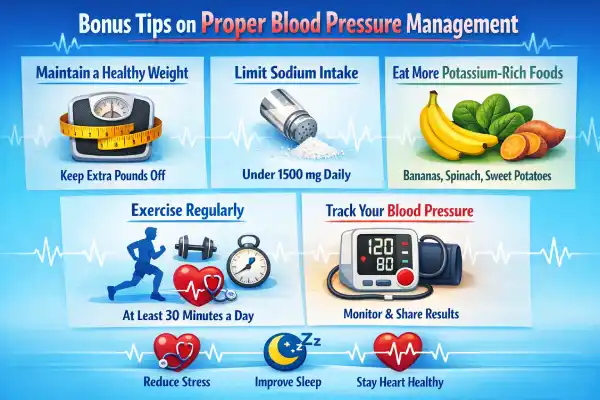
Bonus Tips on Proper Blood Pressure Management
Even though you have a safe blood pressure reading, focusing on a heart-healthy lifestyle is essential. Follow these tips to keep your BP reading within the safe range:
✔ Maintain a healthy weight, because even a few pounds can make a big difference.
✔ Focus more on your sodium intake. You must aim for a sodium intake of under 1500 mg daily.
✔ Eat more potassium-rich foods like bananas, spinach, and sweet potatoes to counter your sodium intake.
✔ Exercise at least 30 minutes daily to manage stress and balance the sleeping cycle. Poorly managed stress and sleeping cycles can have a big impact on blood pressure.
✔ Lastly and most importantly, track your blood pressure regularly to monitor any significant changes. Share the reading with your doctor to adjust the treatment.
Final Considerations
Ultimately, the term 123safe67 is not what it looks like or what most people online think it is. Rather, the actual intent is quite specific. So, you should not believe everything you see on the internet or judge only by the context.
And for the real approach, while 123/67 is a blood pressure reading, there are still some considerations that adults must keep in mind for the well-being of their heart health. Hope you have found the guide and the tips helpful. But if you still have any questions, don’t hesitate to ask in the comment box below.
FAQs
Why do websites represent 123safe67 as a random code?
Websites that prioritize short-term ranking tricks or use poor AI for content creation often stick to the wrong intent over providing a deep understanding. 123safe67 has the same case. Websites that want to rank higher on the search engines focus on the alphanumeric strings of the term rather than solving the underlying problem or answering the original users’ questions.
Which blood pressure reading is safe?
The safe and normal blood pressure reading for adults should be below 120/80 mm Hg. If the reading is higher than this, you must consult with a physician immediately.